Every existing social platform was built around the same relationship: creator to audience. There was nothing designed for creators to talk to other creators, about the work, the craft, the business of making things. Strava had done it for athletes. LinkedIn had done it for professionals. Nobody had done it for the people who make content for a living. That was the opportunity we kept coming back to in the early strategy work: Koala wasn't just another social platform. It was the first social network built around creators talking to each other. And for it to work, it had to earn a place in their daily routine.
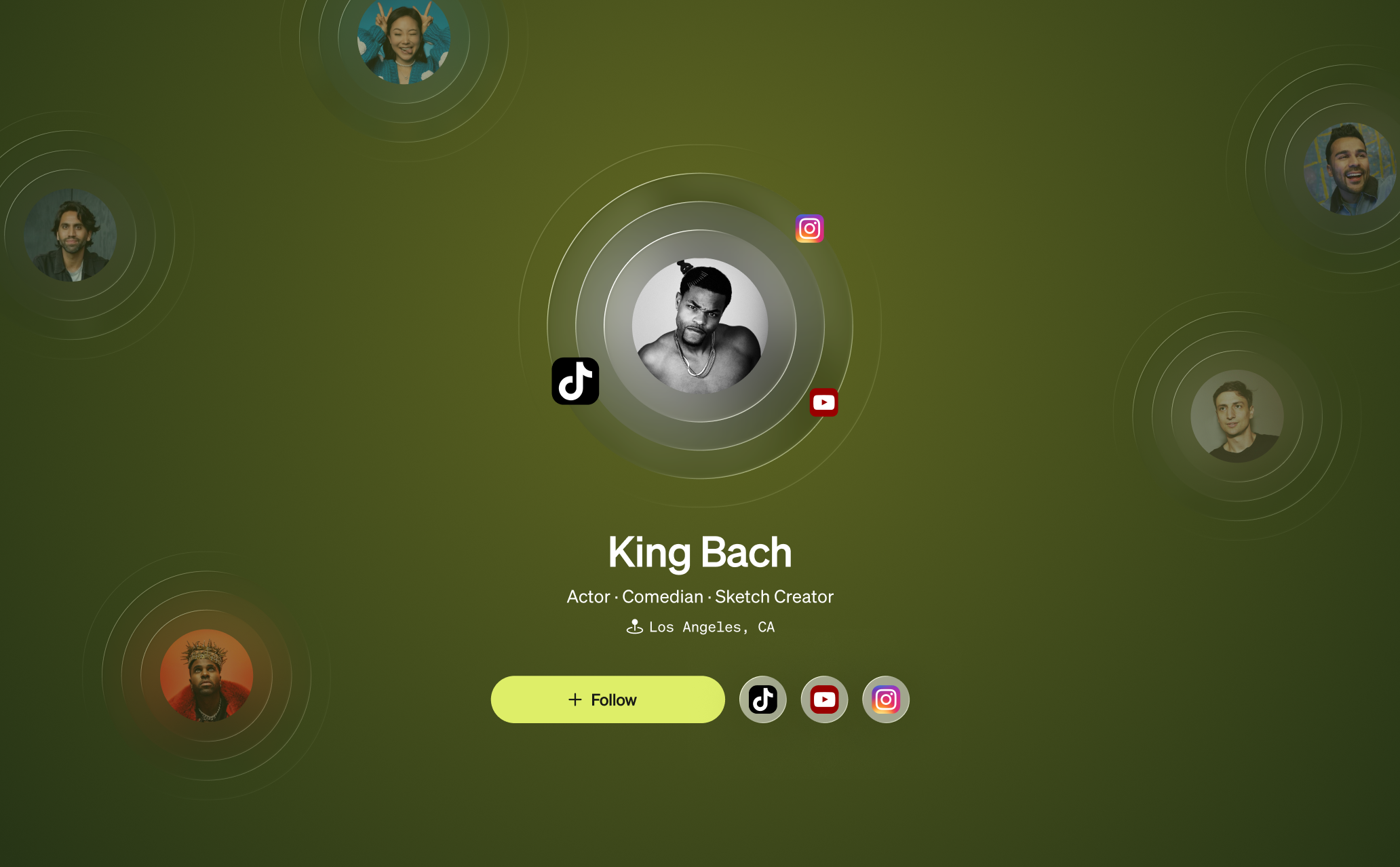
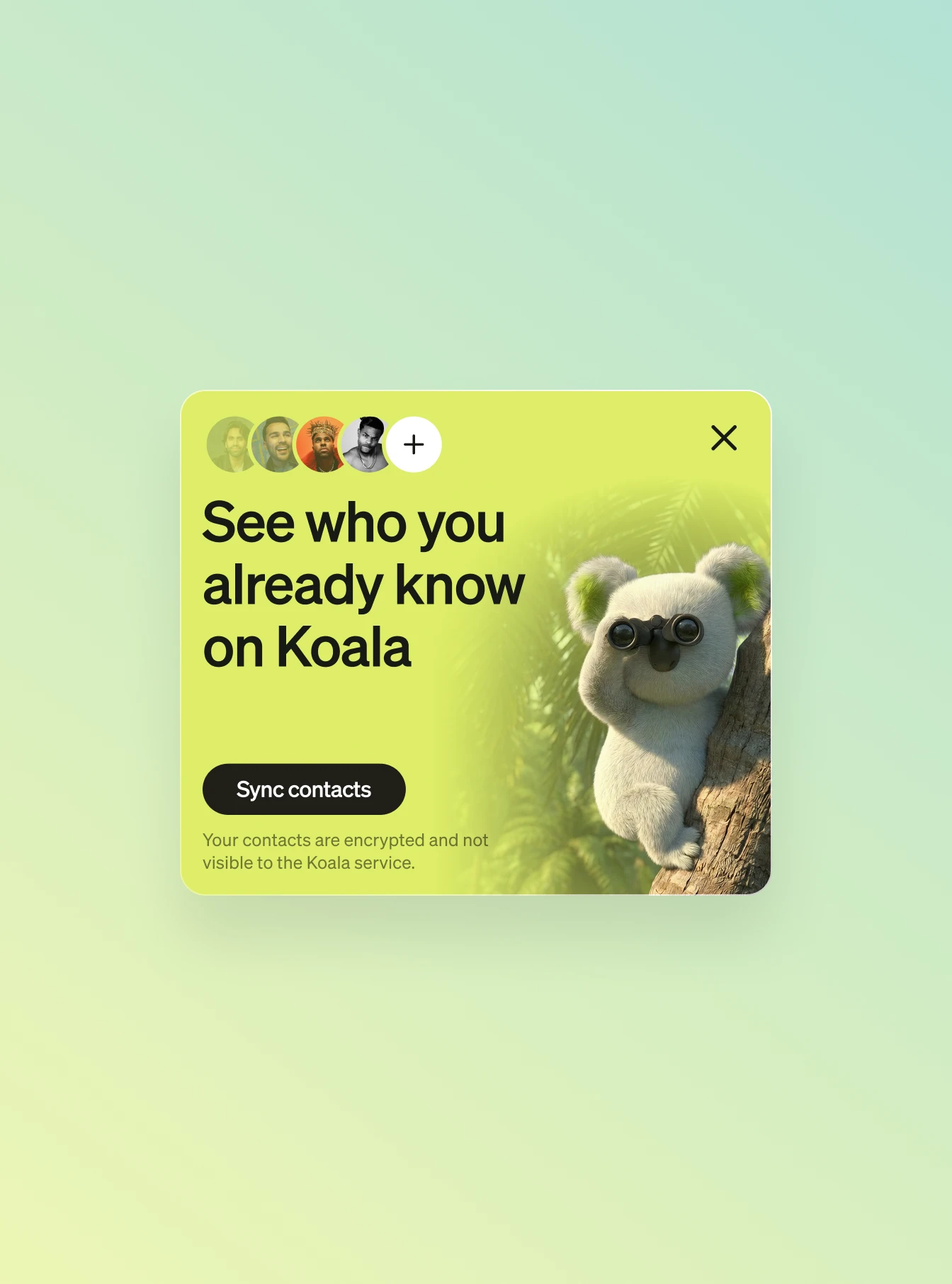
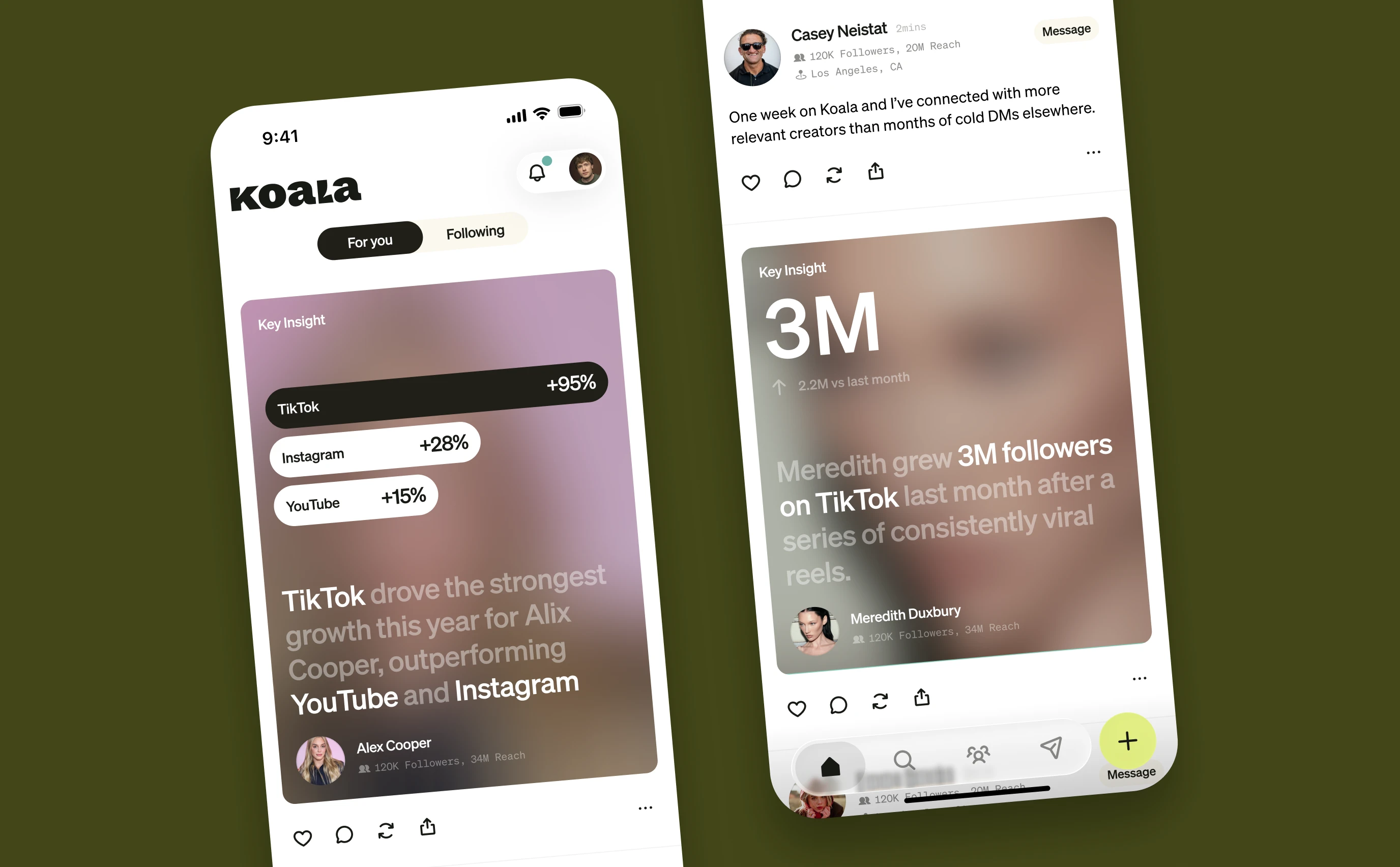
That "daily use" question shaped everything. The feature landscape we explored was designed around giving creators a reason to come back every day, not just when an event was on the calendar. A community feed where creators could post work for feedback and celebrate each other's wins. Automatic syncing of their social accounts so existing content could flow into Koala without extra effort, ready to be discussed by peers. A discovery layer powered by Joey, the AI assistant, to find creators doing similar work or looking to collab. And eventually, a brand layer where companies could connect directly with creators for partnerships.
There was so much this platform could be. That was the challenge. It could lean heavily into brand partnerships, or into creator feedback, or into in-person events, or into being a profile and content consolidation tool. So we designed a version where all of it existed, a full expression of what the platform could become, and put it in front of real creators. We asked them what was most valuable. Then we pulled the feature set back based on what we heard. The V1 that went to engineering wasn't a guess at an MVP. It was carved out of a fully explored product vision, shaped by the people who'd actually use it every day.
With the product direction set, the question became how to make it feel different. Creators care about aesthetics. They care about craft and detail and quality. The platform needed a brand that would be shared and respected, not just functional, but something creators would be proud to be part of. Koala already had the name. What it needed was a vibe.
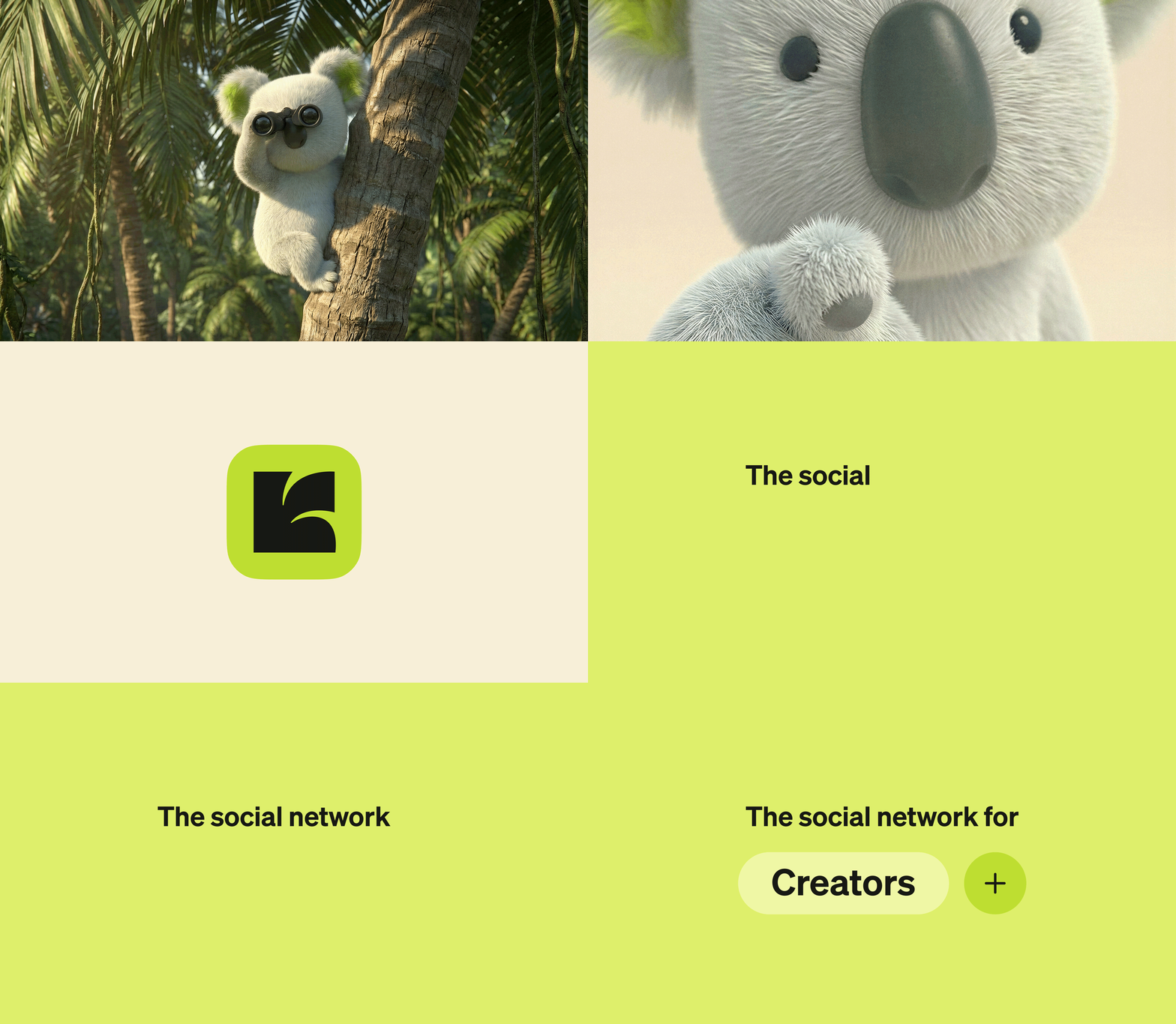
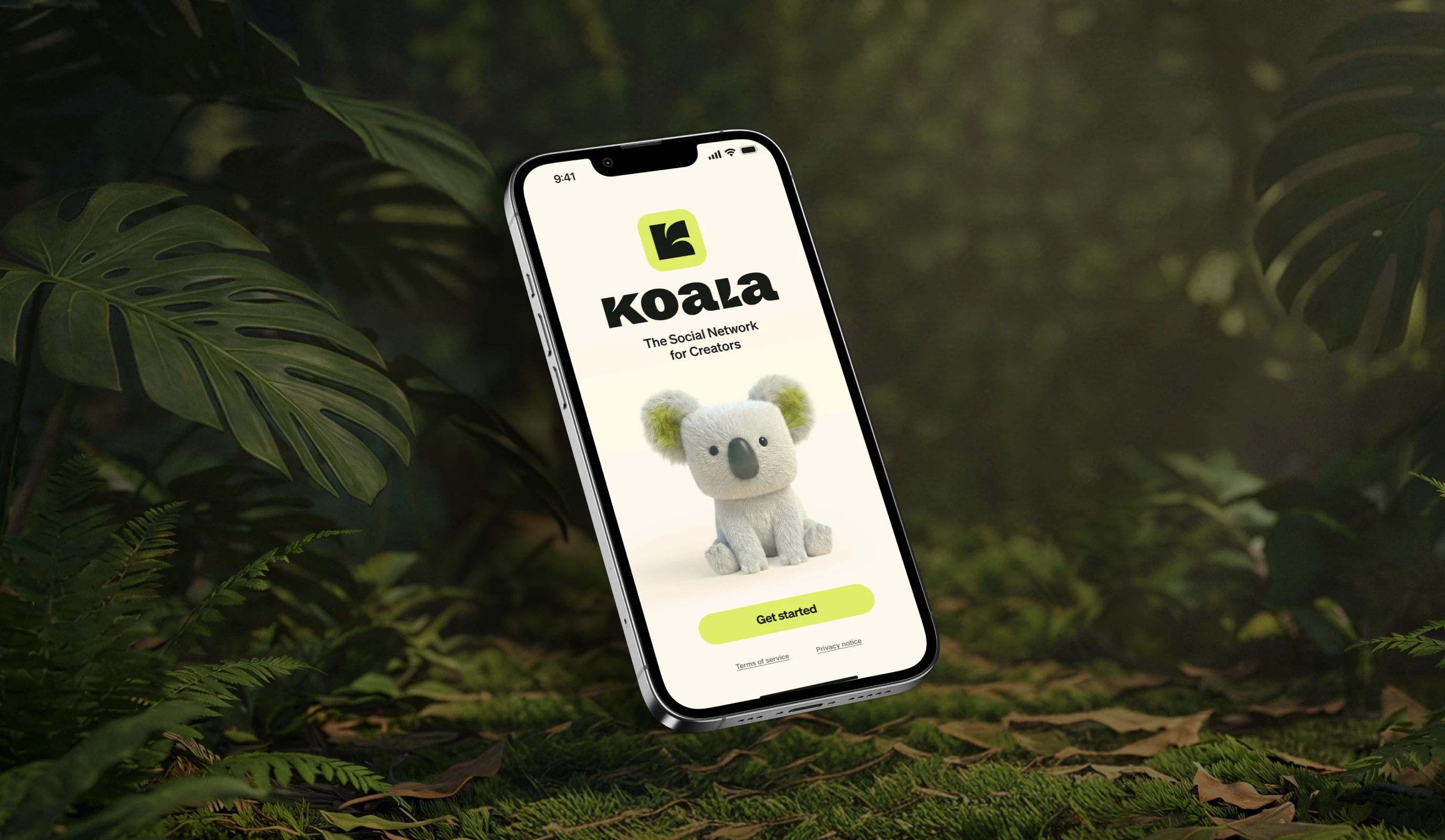
When we probed around what it should feel like, the answer kept coming back to the team's world: Los Angeles, the coast, something warm and tropical but grounded. Our challenge was mixing tropical brand energy with a koala, a marsupial from Australia. The brand story we landed on was that Joey the koala had migrated from Australia in search of a more chill, tropical lifestyle and landed in Maui. Coastal jungle. That became the foundation. It came through in the logo, a leaf mark that tied back to Joey's world. In the color palette, warm oranges and yellows with blue and green accents. In the tropical and 3D imagery we created. In the tone of the language. And in the product itself: strong lines, plenty of white space, and a deliberate sense of calm.
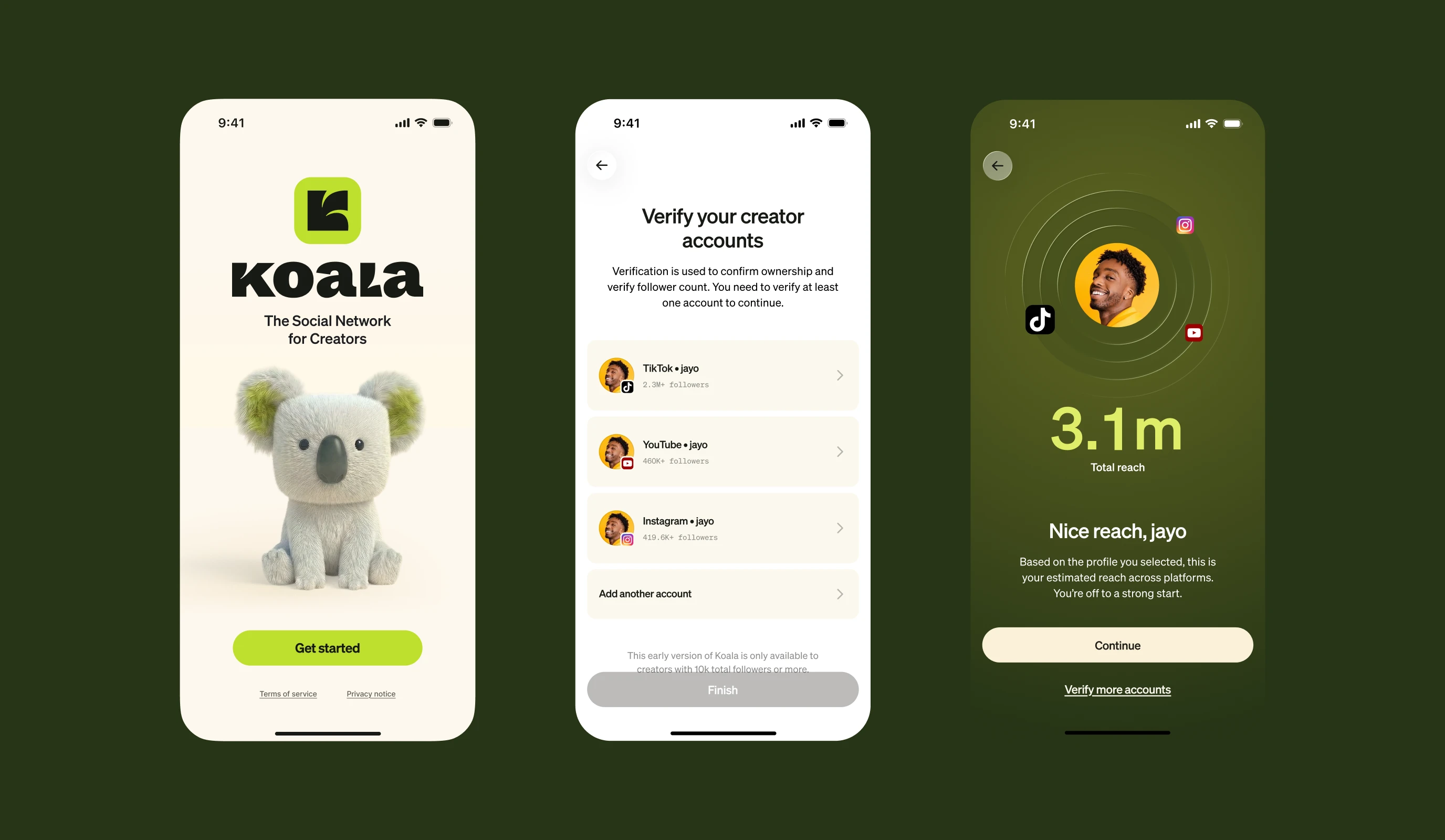
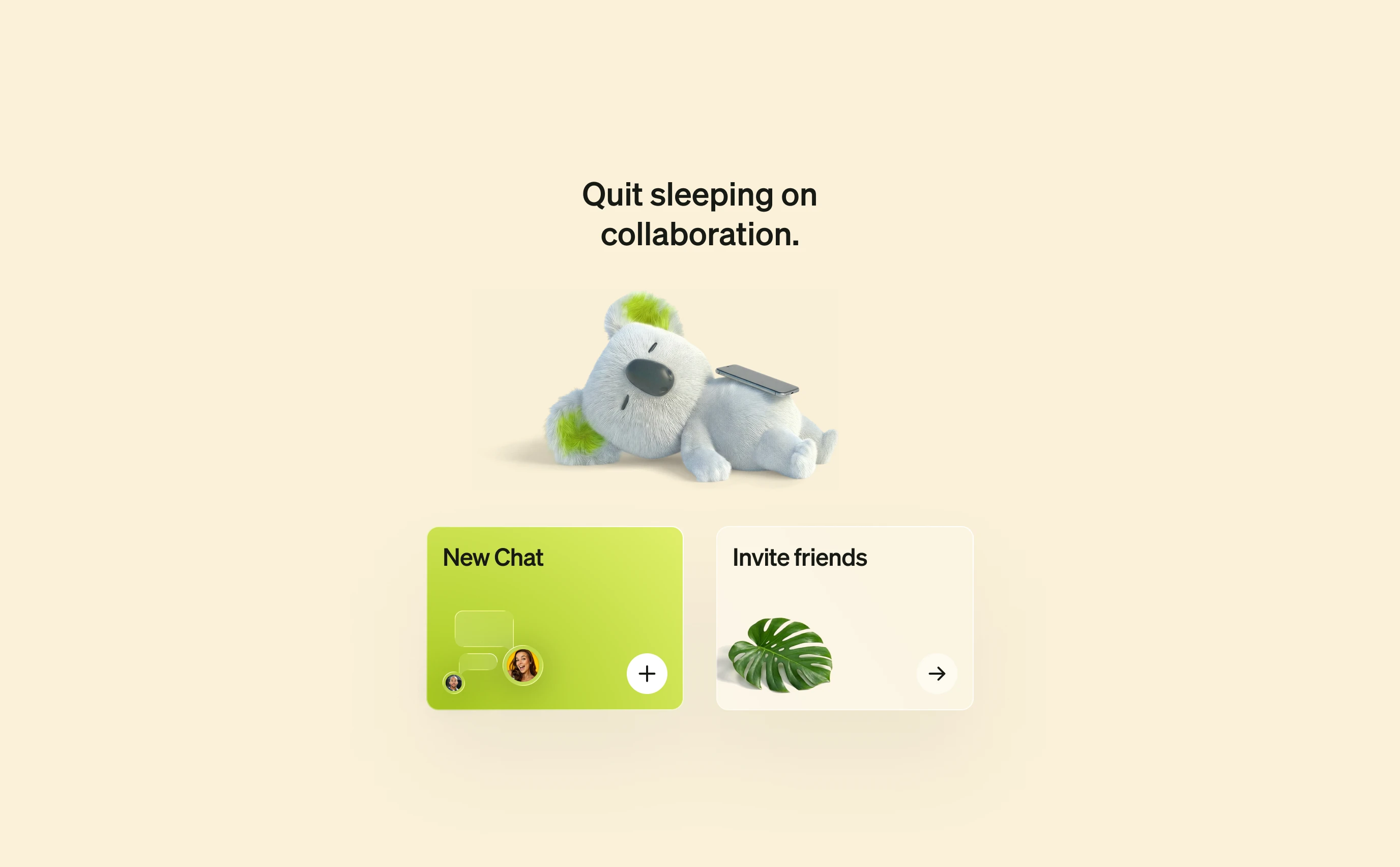
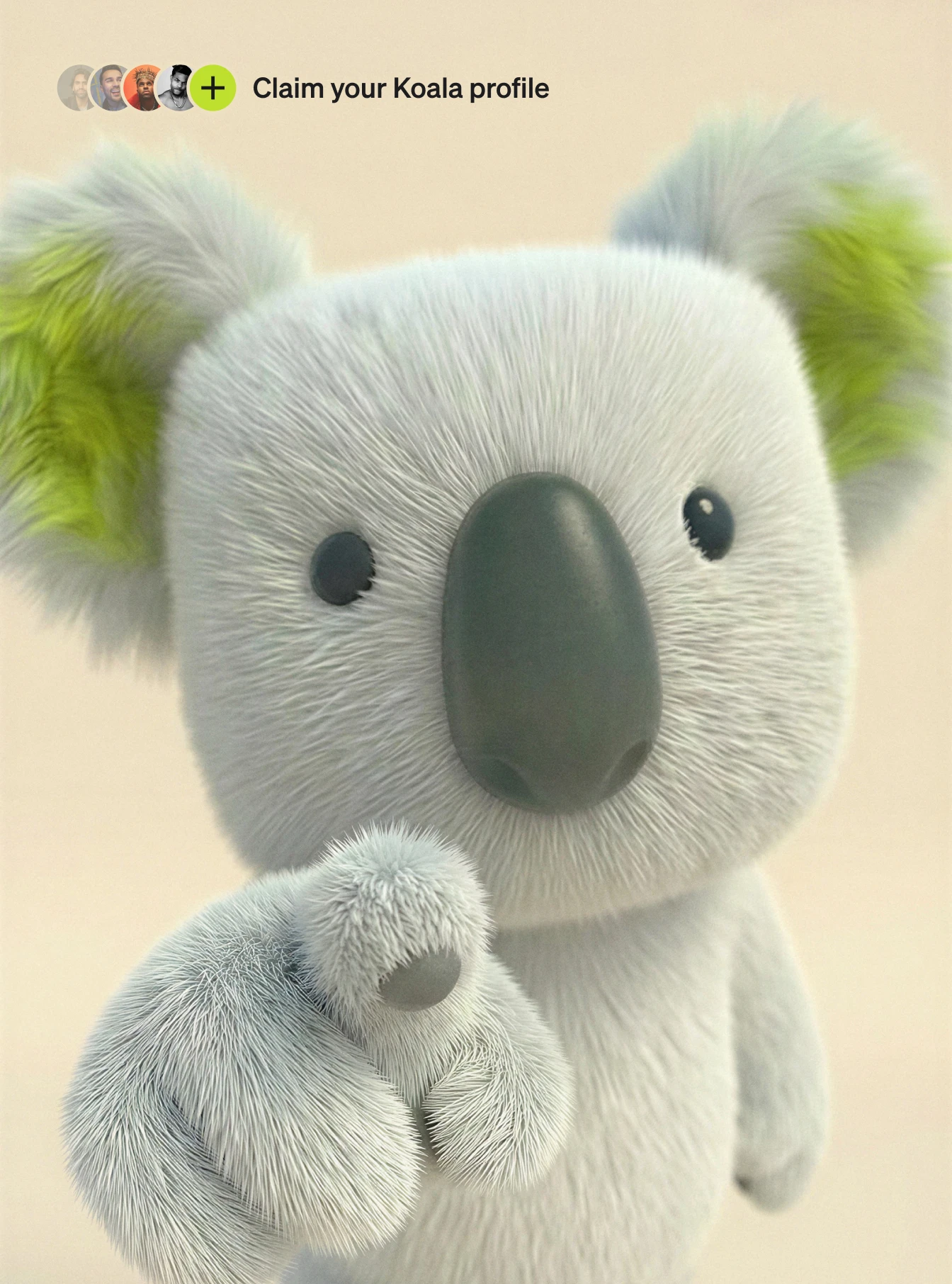
We wove that brand language through the product but never let it get in the way of utility. Think of it like a volume dial. On the marketing site, brand was up at a nine or ten, full expression. In onboarding, still prominent, maybe a six or seven. By the time you're in the core product (the feed, the community) it comes down to a two or three. Enough to feel like Koala, not enough to distract from the tool. Joey moved between those surfaces as a character: present in onboarding, in empty states, as the AI assistant, in discovery. The mascot started as a brand concept but became connective tissue across the entire product.
The marketing site was its own story. Designed and built in Webflow, it had to do two things at once: sell the vision of what Koala was becoming and feel like a natural extension of the brand we'd just built. The approach was radical simplicity. Let the community and the product speak for itself. No flashy templates or overdone motion. The narrative centered on three things: what Koala is, why it's different, and why creators should care. We structured the content for non-developer updates so the Koala team could keep it alive after handoff without touching code.
Five months after kickoff, Koala had a complete brand system, product design across every core flow, a marketing site live in Webflow, and a motion package. When the prototypes were tested with creators, the client held one of the prototypes and the reaction said it all: "Why couldn't we have had this in our pitch decks? We would've raised five times as much money." Their engineering team picked it up and started building. Everything they needed to go to market, from one engagement.
Loud Studios
Koala
About Koala
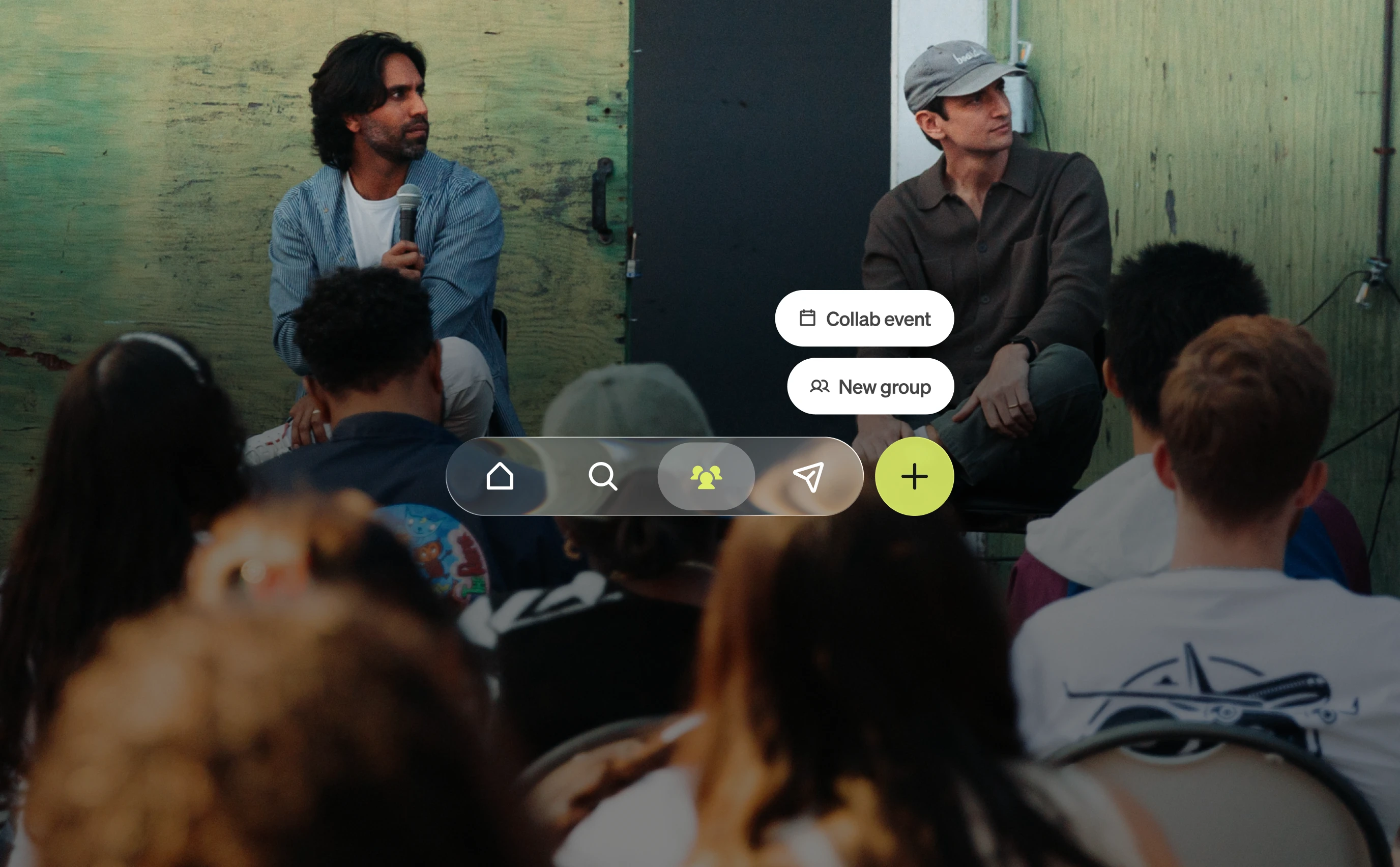
Koala had a private beta, a collab and events platform for creators, with 1,000 top creators signed up. The idea was validated. But the product wasn't sticky — creators showed up for events and disappeared between them. They needed a partner to figure out what a daily-use social network for creators should actually be, then design and brand it so it was ready to build.
Ask
Koala came to Rare Days looking for a full rebuild: brand, product, and launch. They had the signal from their beta, but they didn't have clarity on what the product should be day to day. What does it feel like to open this app on a Tuesday morning? What keeps a creator coming back when there's no event on the calendar? Those were the questions that mattered, and they needed a team that could answer them through design.
Approach
Before anyone opened a design tool, we spent a week in the beta data, studying how creators were actually communicating, where those conversations were happening, what tools they were reaching for, and where the real opportunities sat. That research shaped the platform's direction and gave us conviction about what to build and what to leave out. From there, brand and product came together as parallel workstreams. Brand decisions shaped how the product felt at moments that mattered. Product work pushed the brand language forward, giving it specificity it couldn't have found on its own. The design reached beyond launch scope on purpose, then pulled back to what was right for launch based on real feedback from creators.
Impact
Koala just launched. The proof will be in the pudding. But when we tested prototypes with real creators during the design phase, the feedback came back overwhelmingly positive. When design wrapped, Koala’s engineering team picked it up and started building immediately. Five months, one engagement, everything they needed to go to market. 10 out of 10 client and creator feedback across the board. We have a good feeling about this one.

"It's hard to get critical feedback when everyone just likes it. That was our problem."
"It's hard to get critical feedback when everyone just likes it. That was our problem."


