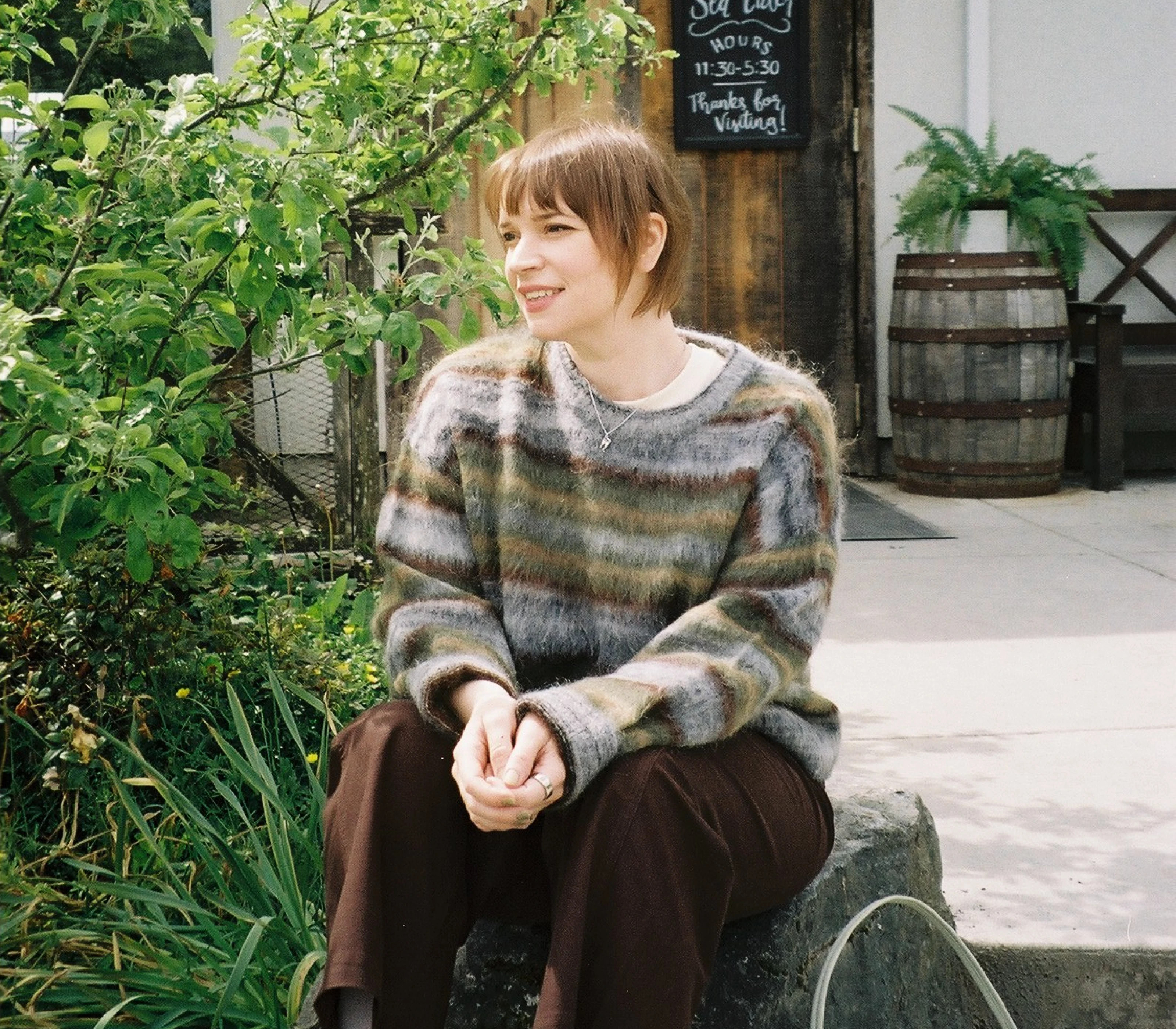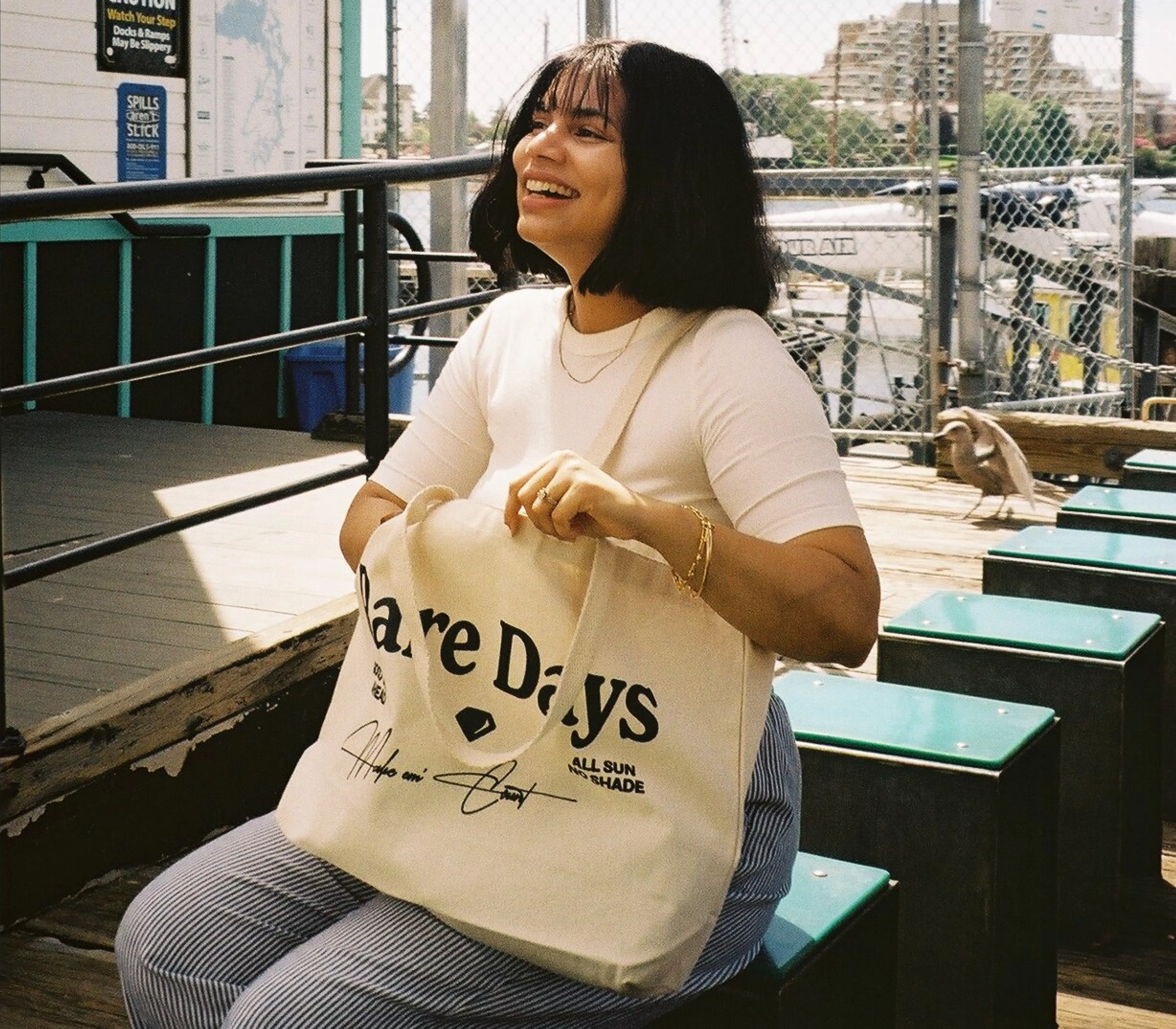
Shaktida is the Lead Product Designer at Rare Days. She lives in the Greater Toronto Area with her husband, their son Avyaan, and a toy poodle named Kaju who shadows her from room to room while they both work from home. Evenings in the Pachori household are what she calls "all the good chaos": toys everywhere, dancing, swimming lessons, and the occasional sprinkler session in the backyard.
What are you excited about right now?
We're traveling with my parents to California. They came to Canada in January, so we've been taking short trips whenever we get a long weekend. Then my husband's birthday is coming up, and my son's third birthday, which I'm very excited about because I like to plan everything. All the vacations, any events.
Where did you grow up, and what kind of kid were you?
I grew up in North India, a city about 500 or 600 kilometers from Delhi. I was a very observant, curious, and introverted kid. I still am an introvert, but I'm the complete opposite when I know everyone and I'm in my comfort zone.
I was also very academic, and I pursued engineering. Design just found me.
How did it find you?
In my last year of university, I joined a UX design workshop out of curiosity. I loved it and realized design could be a career, but I didn't know how to get in without a design background. Then I was placed at Cognizant, a consultancy, and they trained us in different domains. I was one of 20 selected for UX design. I didn't realize it would become my calling, but I was happy to be exercising a muscle I'd always had.
I've always been creative. Glass painting, metal work, needlework, fabric painting. I like to think very deeply about things. UX design was a great place for me to just be myself, where I could ask why and then use my creativity to bring it to life. I really believe in destiny. I think God put me exactly where I was supposed to be.
What does your design process look like when you're in the thick of it?
It starts with me making sense of whatever I know or think I know, and validating that.
I build a foundation before I get into designs. An information architecture map, a user flow, maybe just my ideas of where this could go. I align with people early and often to avoid big roadblocks. Then function before form. Make sure things work before we make them pretty.
It's also important to know your stakeholders. Some people are very visual. If I show them an IA or a user flow, it doesn't feel like a deliverable. In that case I'll jump into low-fidelity screens with content blocks instead of details.
You said you think deeply about everything. Can you give me an example?
Right now, it shows up most in parenthood. In previous generations, you had a kid and they just grew up. But it takes so much more than that. Even if they're little humans, every emotion they express has meaning behind it. You have to understand that to really empathize, because the bond you'll share with your teenage kid starts now.
Is there a tool or habit you feel like you can't work without?
No specific ritual, but Claude has been really helpful. In this world of AI, I don't think it's about execution speed anymore. That comes naturally. It's more about judgment. About understanding what to keep and what to throw away. About storytelling and coherence. These tools help me keep my pace, but they've also pushed me to integrate AI in a healthy way. Where I don't feel like an impostor, but I keep growing as a designer.
What does good work mean to you?
Good design is invisible. If someone using a product I designed reaches their goal and keeps coming back, that speaks to the quality of the work. If the people actually using it tell me it's helping them, making their life easier, that's what keeps me going.
I hope I can be good in whatever I do. That I can be a good mother, a good partner, a good daughter, a good designer. Very broad stuff. But it's real.